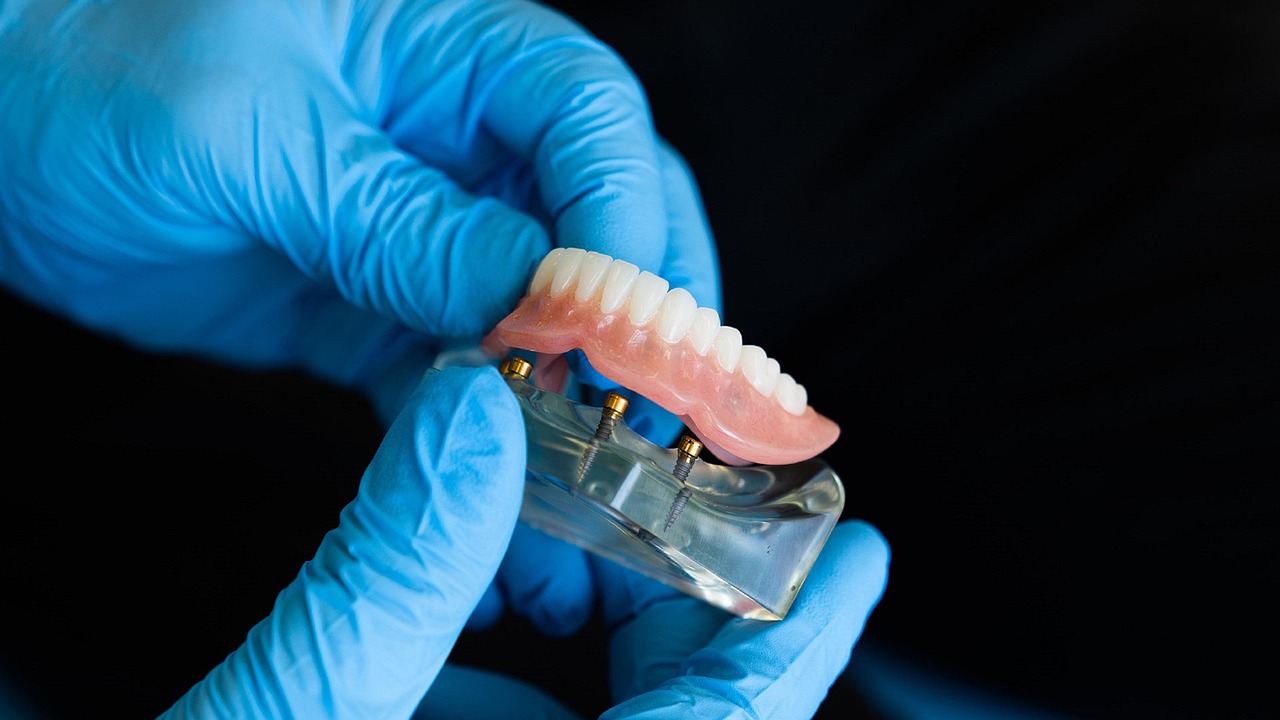
Types of Dentures in Dental Care
Complete (Full) Dentures
Replace all teeth in the upper or lower jaw and rest on the gum line.
Partial Dentures
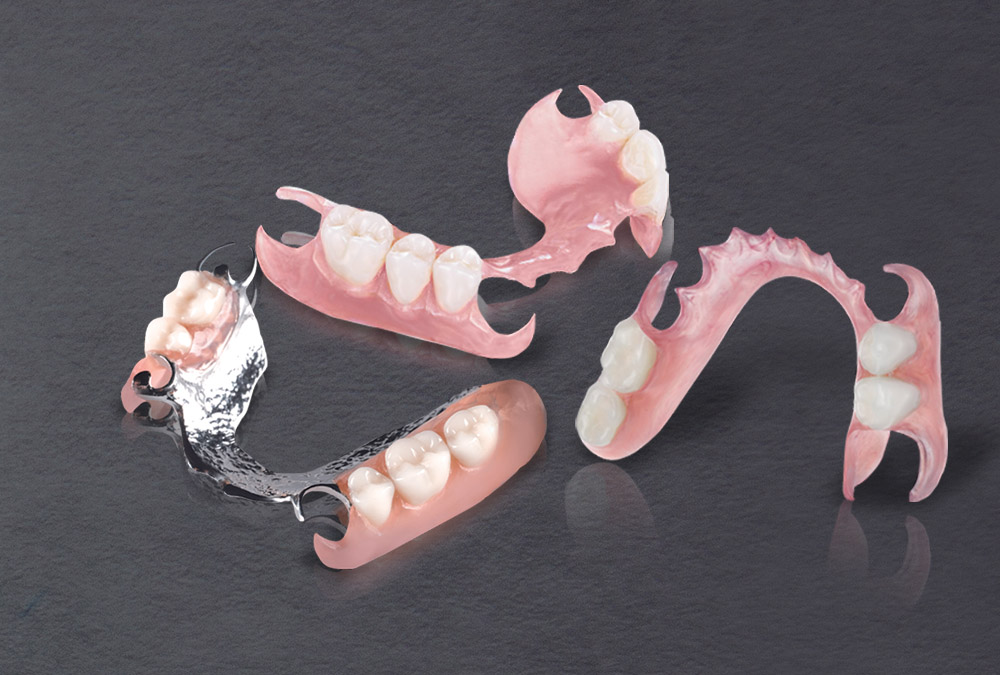
Used when some natural teeth remain, anchored by a framework that attaches to existing teeth. Partial dentures can be rigid or flexible dentures.
Implant-Supported/Retained Dentures
Securely attached to dental implants, offering better stability and preventing jawbone loss.
Immediate Dentures
Placed immediately after teeth extraction as a temporary solution during healing.
Overdentures
Fit over a small number of remaining natural teeth or implants for increased stability.Materials
- Acrylic resin
- Thermoplastic nylon
- Polyamide resin
- Acetal resin
- Metal
Flexible Dentures:
Flexible dentures are comfortable, lightweight, and discreet removable partial dentures made from thin, bendable nylon or thermoplastic materials. Designed to replace missing teeth, they provide a natural, aesthetic, and metal-free fit that reduces gum irritation. They are ideal for patients seeking a more comfortable, flexible alternative to traditional, rigid, metal-clasped dentures.
-
Key Benefits of Flexible Dentures
Comfort & Fit: Being flexible, they adapt to the natural contours of the mouth, reducing irritation and pressure points on gums.
Aesthetics: The material is often translucent, allowing natural gum color to show through, and lacks metal clasps, blending invisibly.
Durability: Made of durable, specialized resin (e.g., Nylon), they are less likely to break or shatter if dropped compared to acrylic.
No Adhesive Needed: They typically clasp onto existing teeth, providing a secure, snug fit without needing, or requiring minimal, denture adhesive.
Hypoallergenic: They are generally BPA-free, making them suitable for patients allergic to standard, acrylic-based dentures.
-
Limitations and Considerations
Partial Only: They are designed to replace one or more missing teeth, not full arches.
Difficult to Adjust: While they can be adjusted, they cannot be relined as easily as traditional dentures.
Cost: Generally, they tend to be more expensive than traditional acrylic dentures.
Oral Hygiene: Requires special cleaning to prevent stains and odor buildup.
-
Common Materials & Types
Nylon-based Plastic: Soft, lightweight, and blends with gums.
Polyamide Resin: Strong and durable.
Hybrid (Flexi-Metal): Combines a rigid metal framework with flexible, gum-colored clasps for better support.
Flexible dentures are a great option for patients seeking a comfortable, non-invasive, and aesthetically pleasing solution to tooth loss. They are particularly popular for patients with sensitive gums.
Benefits and Maintenance of Dentures
- Benefits: Improved chewing, speech, and restored confidence in smiles.
- Care: Removable dentures require daily cleaning and soaking.
- Lifespan: Generally last 7 to 10 years, though they may require adjustments as gums and jawbone change over time.
- Disadvantages: May feel uncomfortable initially, require adjustment periods, or make eating certain foods difficult.
Dentures are a crucial restorative option for patients with significant tooth loss due to aging, accidents, or disease. Dr Anchal has an excellent expertise in creating dentures with precision resulting in great fit and comfort to the patient. We understand the needs and comforts of geriatric patients and deliver the best quality services to make your life better and enjoyable.
